India Travel Advice
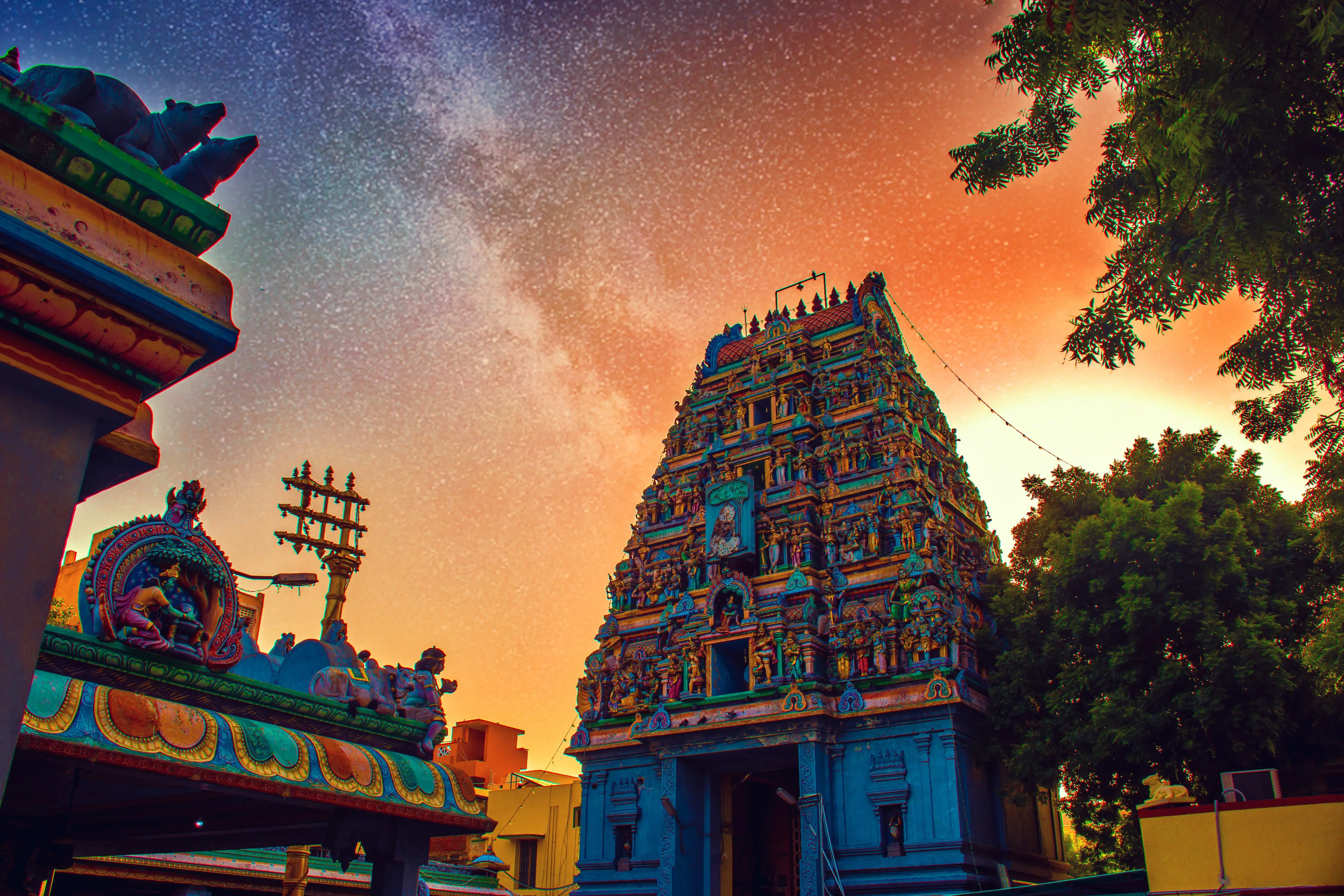
Make sure you are up-to-date with the pre-departure essentials before your trip to India.
Passport & Visas
If you are a citizen of Australia, New Zealand, the UK, America, or Canada, you can apply for a visa online via India’s e-visa service. India requires a visa for most countries, which should be acquired at least 4 days prior to arrival.
Travelers to India must have a passport or travel document valid for at least 6 months from their arrival date in India. The passport should have at least 2 blank pages for stamping. You should carry your passport or travel document with you at all times.
Check with your embassy or your official government website for regulations. Bear in mind that our India travel advice is for guidance only. You are advised to check the details as it is your responsibility to have all the official documents ready before traveling.
You can consult the latest travel advice from the UK Foreign, Commonwealth & Development Office. We recommend all travelers to check their Government National Travel Advisory prior to their departure: Australia, Canada, New Zealand, USA
Travel Insurance
You need to have valid and adequate travel insurance before your tour with Travel Talk begins. It is your responsibility to have your insurance ready, but we are more than happy to provide you with guidance in the process. You can visit our travel insurance page for more details. For now, here is some Turkey travel advice that you need to keep in mind when choosing the right plan.
When to Go
High Season
The best time to visit India is in fall, when the monsoon season comes to an end, leaving the stage for dry and comfortable weather. Temperatures range between 30 and 35°C, with low humidity levels making it easier for long hours of sightseeing in India’s cultural hotspots. September is relatively quiet before the crowds arrive in October, which marks the beginning of the high season in the country. The most memorable boat tours on the Ganges happen in this season, as the water levels are high after the monsoon rains. Come in the fall, and you will witness some of the most heartfelt Hindu festivals.
Winter months are when the absolute must-sees like the Taj Mahal are the most crowded. Temperatures stay at comfortable levels above 20°C, and clear skies offer spectacular views across the country. Especially Christmas time is the best time to visit India to revel in its most spirited ambiance.
Low Season
The country is under the influence of heavy monsoon rains from June to August. Northern India is the least affected by the extreme weather. Still, July and August are not ideal months for sightseeing across Rajasthan. As the inland heats up to 45°C and the skies are hazy due to high humidity, waiting until September is recommended if you wish to savor the best places to visit in India to the fullest.
Useful Tips for India Tours

Money Matters
The currency in India is the Indian Rupee (INR). We recommend you go to the city center to change your money.
ATMs are available in central locations, but access is difficult in rural areas.

The Food Scene
Indian food is famed for its rich and intense use of spices. We advise travelers to go easy on spices in the first few days to let their bodies adjust.
Tap water is not safe for drinking in India. Restaurants serve purified drinking water, but we recommend bottled water.
Try the aromatic Indian sherbets, tea, and chai tea, the most popular Indian beverages.

Solo Travel
Are you traveling alone? You can stay in a single room if your tour has the single supplement option.
You can also be roomed with a solo traveler of the same gender.
Sadly, displays of affection between LGBTQ+ couples may attract a negative response in India.