Central European Culture
Central European Culture
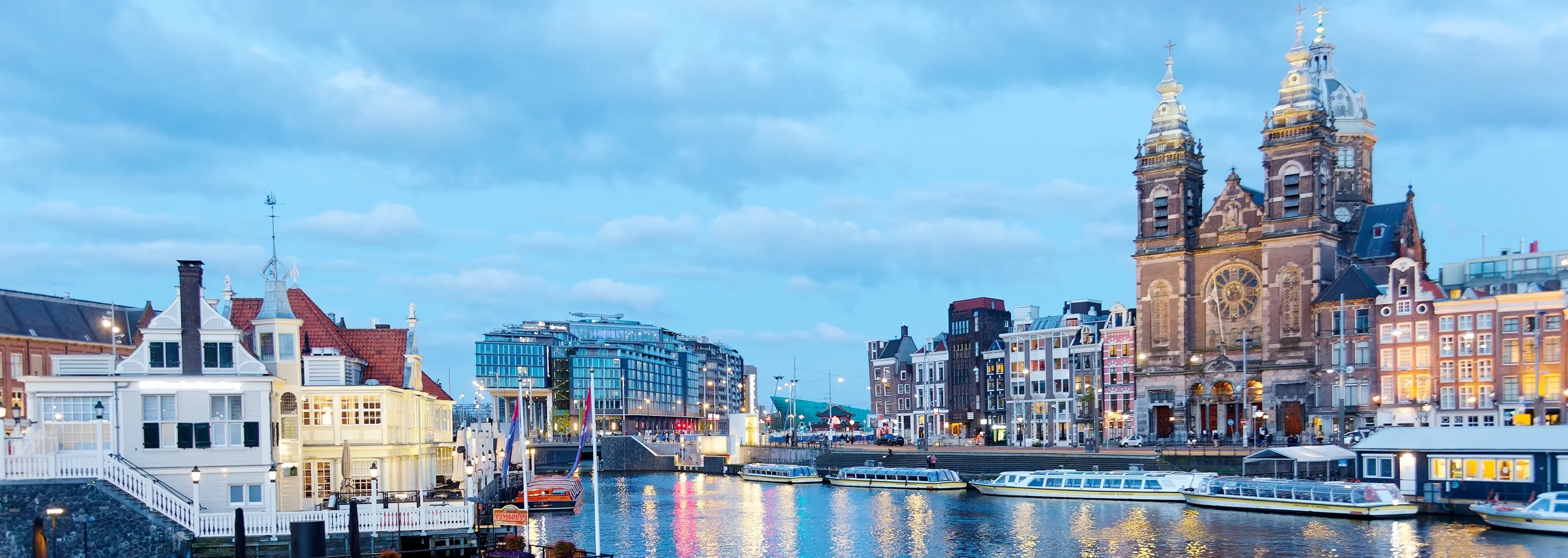
Embroidered in the multifold fabrics of Central Europe is a profound intellectual and artistic heritage. The region has been a nexus of cultural exchange for centuries, with masters like Kafka, Mozart and Beethoven leading the world’s scene. An interplay of diverse ethnicities has resulted in the distinct identities of each nation within the region, from Germany to Austria and Hungary to Czech Repulic. Art fuels this everflowing exchange more than anything else. And if not the epicenter of Rennaissance, Central Europe has been one of its closest subjects. The wind of artistic excellence blowing from there influenced classical art and architecture in primary cities like Prague and Vienna.
On the banks of the Danube, a stern but tolerant culture dominates the society, where the offerings of the forests are hard to overlook. Wood and leatherwork are the main forces driving the crafts scene. The Carpathian Mountains contribute resilience to the Balkan spirit, with social equality being at the forefront of the dynamics of society. The Mediterranean and the Adriatic bring a seabound culture that is by all means lighter and more cheerful. And the influence of Asia offers the right dose of melancholia and solemnity.
In Romania and Bosnia, superstition and folk beliefs are very important cultural binders. They are the source of many social dynamics as well as collective production. Serbia is famous for its composed attitude toward everything. Serbians are hardworking and extremely proud. So are the Croats, and family is the most vital element of culture in Bulgaria.
Eating & Drinking
“In Central Europe, every bite tells a tale and every sip is a celebration! Let our forks dance to the rhythm of tradition!”
Central Europe boasts a rich and diverse culinary tapestry, reflecting the region’s history, geography, and cultural influences. One prominent aspect of Central European eating culture is the emphasis on hearty and flavorful dishes that often incorporate meat, potatoes, and root vegetables. Traditional staples like schnitzels, sausages, and goulash are celebrated across the region, each country adding its unique twist to these classics. The Czech Republic, for instance, takes pride in its iconic dish, svíčková, a marinated beef sirloin served with a creamy sauce and dumplings. Meanwhile, Hungary is renowned for its spicy and robust goulash, a stew that combines tender meat, paprika, and assorted vegetables.
Central European drinking culture is equally noteworthy, with a strong tradition of beer and wine consumption. Beer gardens and pubs are integral to social life, providing communal spaces where locals gather to unwind and share stories. The Czech Republic, home to the world’s highest beer consumption per capita, boasts a thriving beer culture with a plethora of local brews. In addition to beer, Central Europe has a rich winemaking heritage, particularly in countries like Hungary and Austria. Wine regions such as Tokaj in Hungary and Wachau in Austria produce exquisite wines that have gained international acclaim. Wine festivals and tastings are popular events, showcasing the region’s diverse grape varieties and winemaking techniques.
Unique Crafts & Shopping
Central Europe boasts a vibrant and diverse tradition of craftsmanship, with each country contributing distinct artisanal creations to the region’s rich cultural tapestry. From intricately designed ceramics in Hungary to hand-carved wooden toys in the Czech Republic, the craftsmanship in Central Europe reflects a deep appreciation for tradition and attention to detail. Traditional folk art, such as Hungarian embroidery and Polish paper-cutting, continues to be cherished, often passed down through generations. Visitors can explore local markets and craft fairs to witness skilled artisans at work, creating one-of-a-kind pieces that encapsulate the unique cultural identity of each Central European nation.
Shopping in Central European culture is a delightful experience, as the region is home to charming marketplaces and specialty stores offering a wide array of locally produced goods. Traditional markets, like Vienna’s Naschmarkt or Prague’s Old Town Market, showcase a kaleidoscope of handmade crafts, artisanal foods, and vintage treasures. Visitors can peruse stalls brimming with handmade lace, leather goods, and glassware, all crafted with meticulous care. These markets not only provide an opportunity to purchase authentic souvenirs but also offer a glimpse into the cultural heritage of the region.
Religion & Etiquette
Central Europe is deeply rooted in a diverse religious landscape that has shaped the region’s cultural identity. Historically, the area has been a crossroads where various religious traditions intersect. Christianity, in its Catholic, Protestant, and Orthodox forms, has played a significant role in shaping the spiritual fabric of Central European countries. Majestic cathedrals, like St. Stephen’s Cathedral in Vienna or St. Vitus Cathedral in Prague, stand as architectural marvels and spiritual landmarks, echoing centuries of religious devotion. The religious festivities and traditions, such as the vibrant Easter markets in Poland or the festive Christmas celebrations in Hungary, are not only expressions of faith but also integral components of the Central European culture calendar, fostering a sense of community and continuity.
Etiquette in Central European culture is influenced by a blend of historical norms and contemporary values. Politeness and respect are highly valued in social interactions. Formal greetings, such as a firm handshake and maintaining eye contact, are considered courteous. Punctuality is paramount, and being late is often seen as a sign of disrespect. Dining etiquette is an art form in itself, with table manners reflecting the region’s emphasis on hospitality. For instance, in countries like Austria, it’s customary to say “Guten Appetit” before beginning a meal. Additionally, addressing people with their appropriate titles, especially in more formal settings, underscores the importance of social hierarchy and mutual respect.
Festivals & Events
“Every season becomes a stage and each festival an enchanting performance.”
Central European culture is a vibrant tapestry of festivals and events that weave together centuries-old traditions with contemporary celebrations, creating a rich cultural mosaic that beckons locals and visitors alike. Throughout the region, the calendar is dotted with lively festivities that reflect the diverse heritage of each country. The grandeur of Vienna’s famous ball season, where opulent balls take place in historic palaces, captures the essence of Central Europe’s love for classical music and elegant social gatherings. Meanwhile, the Czech Republic’s vibrant Prague Spring International Music Festival, held annually since 1946, brings together world-class musicians to enchant audiences with the timeless beauty of classical compositions.
One of the most anticipated events in Central European culture is Oktoberfest, celebrated with gusto in Munich, Germany, and influenced by similar beer-centric festivals across the region. The air is filled with the sounds of oompah bands, the aroma of hearty traditional foods, and the clinking of beer steins. Similarly, Poland’s St. John’s Night, celebrated on the shortest night of the year, is a magical celebration featuring bonfires, music, and rituals, embodying the country’s deep connection to nature and folklore. These festivals not only showcase the region’s cultural richness but also provide a platform for locals and tourists to come together, fostering a sense of unity and shared joy.

Central Europe Food Guide

Central European Culture – Advice
Everything you need to know about traveling to Central Europe is in our Travel Advice guide.
