Greek Culture
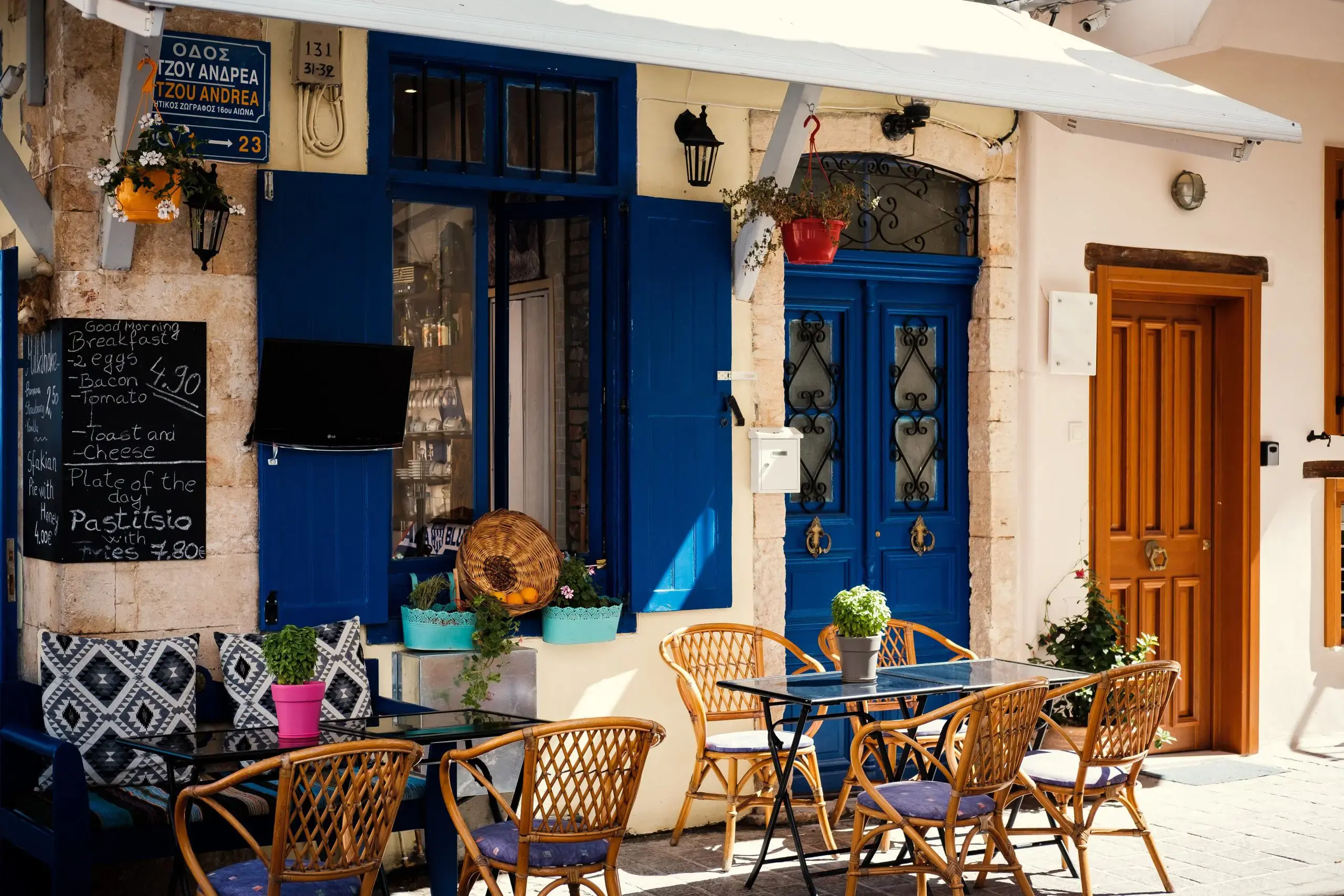
Greek Culture
A deep-rooted culture that is worthy of a dozen civilizations first emerged in Mycenaean Greece and expanded over the Aegean and Ionian seas. The most glorious empires in history have made their own contribution to this eclectic palette, from Classical Greek to the Roman and Byzantine. The turning point of it all was the Ottoman era, which introduced new additions to Greek cultural expressions. As a result, the traditions and customary practices are still under the influence of the older eras, while most of the national values were shaped after the independence. The key to everyday life is an easy-going and sociable approach. Yet, the Greek is not so relaxed when it comes to matters of national identity and patriotism.
The Greek society is collectivist, built around concepts of family and unity. Schedules are not too tight, and everyone finds a way to socialize on their own time. Especially in the summer season, you will see the siestas carried to the outdoors, to breezy cafes or parks. The cultural spectacle of Greece gets all the more awe-inspiring once the darkness falls and it is dinner time. You will witness some of the most dynamic night rituals in the world.
Eating & Drinking
“The face of Mediterranean cuisine, Greek food brings together what many hail as the quintessential ingredients of the coast, Balkans, and the Levant in its own unique way.”
Today’s Greek cuisine consists of a blend of Ancient Greek practices and modern influences from Southeastern Europe. Many of the traditional dishes and recipes came to the land after the Ottoman conquest. And, they became one with the older cooking techniques over time. The result is one of the healthiest diets in the world, based on local ingredients that are proven to do wonders for your body and soul. Olives from the most fertile groves, best quality fish from the exuberant Mediterranean, and the lightest cooking techniques in any cuisine… This is the summary of Greek cuisine. Prepare to be tantalized by a sensual feast of sights, smells, and tastes.
Moussaka, tzatziki, myriad soups, Baklava, and the aromatic Ouzo. Greek delicacies more than we can count. Coriander and oregano are the spices that give that incredible taste you are experiencing. Traditional pita bread accompanies almost every meal, along with the world-famous meze dishes. These are the heart and soul of Greek culture. Some must-try meze includes dolmades, made with exquisite vine leaves and olive oil, fried calamari, and skordalia, a mashed potato dip with plenty of garlic. As for sweeter tastes, the traditional bread Tsoureki is a recipe that is almost a thousand years old. It is the ultimate street food and pastry delight you will come across in Greece.
Unique Crafts & Shopping
Greece has such a wide selection of unique crafts that you will be wondering where to look first. Some reflecting the best of Greek culture are handmade leather sandals, Evil Eye wards, worry beads, and musical instruments. One of the most ancient lands in the world call for a day of antique shopping. Among a plethora of contemporary souvenir shops, you will easily catch sight of some antique stores that Greece takes pride in. And arguably the most popular antique items are jewelry. Simply elegant, Hellenistic jewelry is perfect as a gift or even just to spoil yourself a little. And of course, organic products are a dime a dozen and indisputable symbols of Greek culture.
When in Athens, go for the more iconic items such as memorable souvenirs reflecting the best of Greek landscapes and everything Mediterranean. This is the best place to also indulge in shopping for culinary delights such as Kozani saffron. Visit the incredible Monastiraki Square—this is the epicenter of memorabilia and second-hand wonders embodying Greek Culture. All across the Peloponnese, you will find the best authentic rug and weaving ateliers. It is also a great place to buy organic products such as olive oil, Greek honey, and homemade cosmetics. Santorini proudly presents to you its delightful wines, made from local grapes grown in mineral-laden volcanic soil. Mykonian sandals and windmill miniatures are the signature handcrafts in Mykonos.
If you wish to take a piece of Greek culture home as you leave, there is no better choice than a bottle of ouzo, handmade ceramics from the islands, and some sweet delicacies like baklava. The best places to shop in Greece are flea markets and shopping neighborhoods, where you will find myriad manufactured or handcrafted items for reasonable prices.
Takeaway: You may come across a handful of small shops that don’t accept credit cards, so it is wise to carry cash. If you are on a budget, make sure you browse at every stall before making a decision.Religion & Etiquette
Turkey is called the cradle of civilizations for a reason. Nestled within its borders is the heritage of countless cultures and religions. From the Greek Orthodox to the Assyrian Jacobites, a number of religions still live on these lands, but the main religion of Turkey is Islam. Muslim people belong to different doctrines under Islam, each having its own reflections in Turkish culture. Since before the Ottoman times, Islam has shaped Turkish culture to a great extent, from house manners to social etiquette. Respect towards the elderly is key, and hospitality is considered the core of Turkish society. No matter where you are coming from, you will always find help and kindness if you ask for it.
Turkey’s immense spirit manifests itself best during the holy month of Ramadan, and the Eid el-Fitr following it. During Ramadan, Muslim Turkish people fast from dawn to dusk and celebrate their patience with a jaw-dropping feast called “iftar”. You may find that the opening times of some restaurants shift during this month, but if you come prepared Ramadan is one of the best times to experience Turkish culture.
A great number of Muslims in Turkey are conservative, which means you may want to practice caution when visiting sacred sites, most importantly, mosques. Excessive displays of affection in public between any gender are frowned upon in most parts of Turkey. However, you will be comfortable in the tourist destinations that you are visiting, such as Istanbul and Cappadocia. Avoid commentary on religion if you don’t wish to offend anyone. Other than that, Turkish people are quite tolerant and sociable towards foreign travelers.
Festivals & Events
“Turkey has a great selection of annual and seasonal festivals that will fill your insides with warm feelings—it all depends on your taste and when you are traveling.”
Thanks to the contemporary evolutions in Turkish culture, there is a joyous event happening on every corner all the time, especially on the Mediterranean coast and in Istanbul. These are great for making your night memorable. As for annual festivals, they are the driving force of Turkish culture. Eid el-Fitr, or the Sugar Feast as Turkish people call it, is a time of giving back and celebrating life. Children are not the only ones to receive sweets! You will have enough Turkish baklava and delights for one life. The Persian New Year, Newruz, is similar to this in size and spirit. If you are traveling on March 21, celebrate the coming of spring and experience Turkey’s Central Asian heritage.
One of the cultural events that are tourist-pleasers is Istanbul Tulip Festival which will make the Dutch jealous. These tulips are of some of the highest quality in the world. Tulips have had cultural significance for Turkey since the Ottoman Empire. Take away what you can from the cultural background of this refreshing event and enjoy the bewitching odor in the lovely Emirgan Park. Another event taking hails Turkey’s natural beauty is Cappadocia Balloon Festival, which takes travelers on a magical journey in the air in July. Hot air balloons float over the mystical fairy chimneys of Goreme for a few days.
When it comes to modern arts, music, and theater, there is no place in Turkey that does it better than Istanbul. You can fill a free evening with stunning jazz or classical music shows, or masterful plays brought to the stage by Turkey’s most talented. There is always room for spontaneity in this electrifying city.

Greece Food Guide
Check out our Greece Food Guide for the tasty local dishes and drinks you must try.

Greece Travel Advice
Everything you need to know about traveling to Turkey is in our Greece Travel Advice guide.
