Central Europe Travel Advice
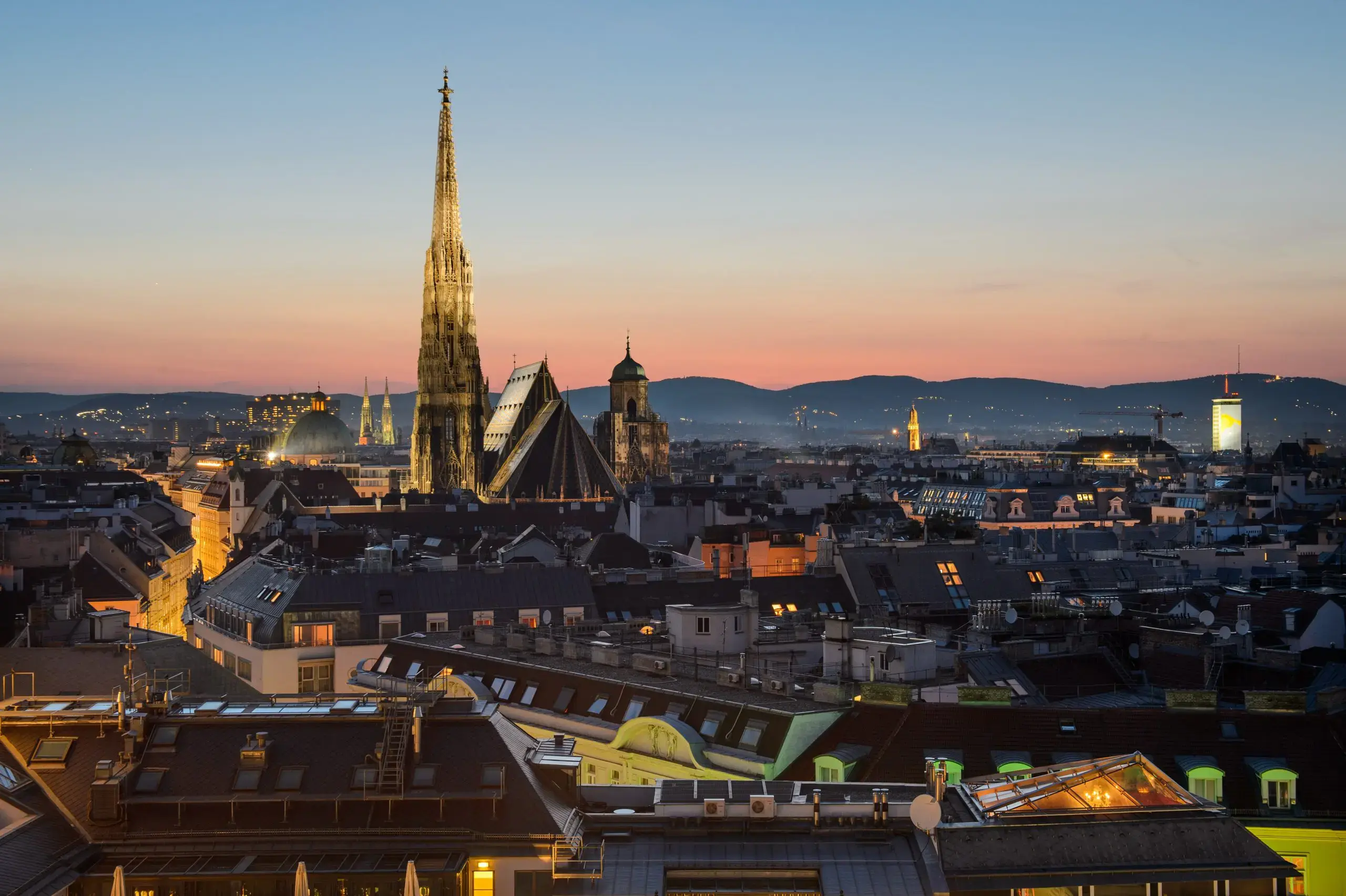
Make sure you are up-to-date with the pre-departure essentials before your trip to Central Europe.
Passport & Visas
Citizens of the European Union (EU) and the European Free Trade Association (EFTA) countries usually do not need visas to travel within the Schengen Area, which includes many Central European countries. Citizens of the United Kingdom (England), the United States, Australia, and New Zealand do not require a visa for short stays (up to 90 days within a 180-day period) for tourism or business purposes in Germany, Austria, the Czech Republic, and Hungary.
Ensure your passport is valid for at least six months beyond your planned departure date. Check the requirements for each specific country you plan to visit, as they may vary based on your nationality and the duration of your stay.
Check with your embassy or your official government website for foreign Central Europe travel advice. Bear in mind that the information we provide is for guidance only, and you are advised to check the details as it is your responsibility to have all the official documents ready before traveling.
You can consult the latest travel advice from the UK Foreign, Commonwealth & Development Office. We recommend all travelers to check their Government National Travel Advisory prior to their departure: Australia, Canada, New Zealand, USA
Travel Insurance
You need to have valid and adequate travel insurance before your tour with Travel Talk begins. It is your responsibility to have your insurance ready, but we are more than happy to provide you with guidance in the process. WorldNomads.com is one of the travel insurance providers that you can go with. You can visit our travel insurance page for more details. For now, here is some Central European travel advice that you need to keep in mind when choosing the right plan.
When to Go
High Season
Generally, the best time to visit Central European countries like Germany, Austria, Czech Republic, and Hungary is during the late spring (May to June) and early autumn (September to October). During these months, the weather is generally mild, with pleasant temperatures and blooming landscapes. Tourists can enjoy outdoor activities, cultural events, and explore historic sites without extreme temperatures or overcrowding.
Summer is the high season due to the European holidays, so highlight cities like Dubrovnik and Kotor will be bustling with life. It is also the season of spectacular festivals and cultural occasions. It is guaranteed to have a packed itinerary if you are visiting the Balkans from June to August.
The Shoulder Season
Useful Tips for Central Europe

Money Matters
The Euro is widely used in some countries, while others, like Hungary and Czech Republic, have their own currencies.

The Food Scene
Central European cuisine is a flavorful fusion that reflects the region’s diverse cultural influences. Known for hearty dishes, it blends the robust flavors of Germany, Austria, Czech Republic, Hungary, Poland, and Slovakia. Rich stews like goulash, schnitzels, sausages, and dumplings are staples, often accompanied by pickled vegetables and savory sauces.

Solo Travel
Are you traveling alone? You can stay in a single room if your tour has the single supplement option.
You can also be roomed with a solo traveler of the same gender.
Contact your tour leader for assistance regarding room choices.