Is It Safe to Travel To Jordan? Tips and Facts
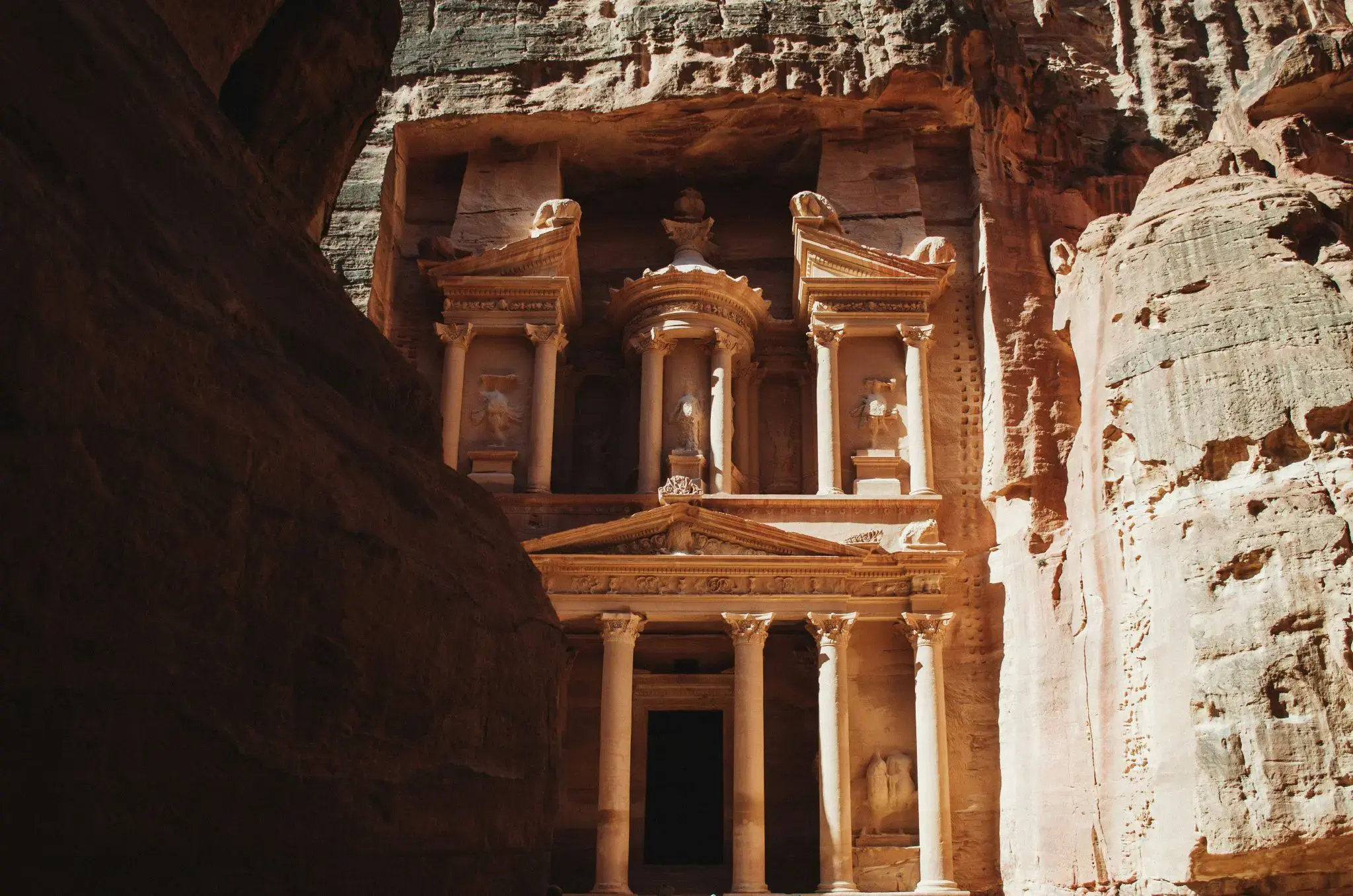
Exploring the rich heritage of Jordan’s landscapes and history promises safe travels. Have the best Jordan holiday embraced by the warmth of its hospitable people and vigilant security measures.
Are you wondering “Is Jordan safe to visit?”? Here is all you need to know.

The US and UK travel advisories advises against traveling to certain areas within Jordan and recommends exercising increased caution overall due to the risk of terrorism. Some regions, particularly those within 3.5 km of the Jordanian border with Syria and east of the town of Ruwayshid toward the border with Iraq, pose an increased risk due to ongoing terrorism and armed conflict. By respecting local customs and following any advice or guidelines provided by authorities, visitors can immerse themselves in the country’s rich culture and history while enjoying a worry-free trip.
We gathered all the official travel advisories you need to plan a safe and comfortable trip to Jordan.
Is It Safe to Travel to Jordan?
Overall, Jordan is considered a safe country to visit for tourists. The country has a stable government and is known for its friendly and welcoming people. In recent years, Jordan has implemented robust security measures to ensure the safety of its visitors. Tourist areas, such as Petra, Amman, and the Dead Sea, are well-protected and heavily patrolled by security forces. Additionally, the Jordanian government places a strong emphasis on safeguarding its tourism industry, as it is a significant source of income for the country.
However, like any destination, there are areas in Jordan where caution is advised. Travelers should avoid the borders with Syria and Iraq due to ongoing conflicts in those regions. It’s also essential to remain vigilant in crowded areas, as petty crime such as pickpocketing can occur, although it is relatively rare.
Jordan, while geographically close to the Israel-Hamas conflict, has not been directly involved in the conflict. However, the situation in the region can sometimes have repercussions that affect neighboring countries, including Jordan. For the most current information on any developments related to the Israel-Hamas conflict and its impact on Jordan, it’s essential to refer to the latest news sources.

Jordan generally allows tourists to travel freely within the country. However, it’s essential to stay informed about any travel restrictions, safety concerns, or local regulations that may affect your plans. Additionally, certain areas near the borders, such as those with Syria or Iraq, may have restricted access due to security concerns.
Yes, for the most part, Jordan is considered safe for Westerners to visit. The country is known for its hospitality and has a well-developed tourism infrastructure. However, it’s essential to exercise common sense and take necessary precautions while traveling, such as avoiding demonstrations, following local customs and laws, and staying informed about any potential security risks in specific areas.
Amman, the capital city of Jordan, is generally considered safe for tourists. It has a low crime rate compared to many other cities globally, and violent crime targeting tourists is rare. Avoiding poorly lit or deserted areas at night and being vigilant against pickpocketing and petty theft is advisable. Additionally, staying informed about any local developments or security concerns and following the guidance of local authorities can contribute to a safer experience while visiting Amman.

Is it safe to travel to Petra now?

Petra, Jordan’s famous archaeological site, is generally considered safe for tourists to visit. The site is well-preserved and heavily monitored by local authorities to ensure the safety of visitors. Travelers should follow safety guidelines, such as staying on designated paths, avoiding wandering off alone in remote areas, and being mindful of local customs and regulations.
- Stay on designated paths: While exploring Petra, stick to marked trails and paths to avoid getting lost or stumbling into unsafe areas.
- Travel in groups: Whenever possible, explore Petra with a reputable tour group or travel companion. Traveling in numbers can deter potential threats and provide support in case of emergencies.
- Stay hydrated: Petra’s desert climate can be hot and arid, especially during the summer months. Drink plenty of water, wear sunscreen, and take breaks in shaded areas to prevent dehydration and heat-related illnesses.
- Respect local customs: Jordan is a conservative country with Islamic traditions. Dress modestly, particularly when visiting religious sites within Petra, and be respectful of local customs and cultural norms.
- Be cautious of vendors and scams: While exploring Petra, you may encounter vendors selling souvenirs or offering guided tours. Exercise caution and use your discretion when interacting with them to avoid falling victim to scams or overcharging.
The best time to visit Petra, Jordan, is during the spring or autumn months when the weather is mild and comfortable for exploring the archaeological site. Specifically, the months of April, May, September, and October are considered ideal for visiting Petra. During these months, temperatures are typically moderate, ranging from the 70s to 80s Fahrenheit (around 20-30°C), making it pleasant to hike and explore the ancient city.
Is Jordan safe for female tourists?
Jordan is generally considered safe for female tourists, and many women travel to the country without encountering major safety issues. Jordanian society is relatively moderate and welcoming towards female travelers, and women are typically treated with respect and courtesy. However, as with any destination, it’s essential for female travelers to take common-sense precautions to ensure their safety.

Jordan is generally considered safe for solo female travelers, but it’s important to take precautions and remain vigilant. Dressing modestly and respecting local customs, such as covering the shoulders, arms, and knees, is advisable. It’s best to stay in reputable accommodations with good security measures and avoid walking alone at night, opting for well-lit and populated areas instead.
Jordan is generally considered to be less accepting of LGBTQ+ identities compared to some Western countries, and same-sex sexual activity is technically illegal under Jordanian law. However, enforcement of these laws varies, and there are no specific travel restrictions for LGBTQ+ travelers visiting Jordan. LGBTQ+ travelers may still choose to visit Jordan, but it’s essential to be discreet and respectful of local customs and laws.
Public displays of affection, regardless of sexual orientation, are generally not accepted in Jordanian society. LGBTQ+ travelers should also exercise caution when discussing their sexual orientation or gender identity, as discrimination and harassment may occur.
How to Stay Safe in Public Places in Jordan

To stay safe in public places in Jordan, consider the following tips:
- Be Aware of Your Surroundings: Stay vigilant and observant of your surroundings at all times, especially in crowded or unfamiliar areas. Trust your instincts and avoid situations or individuals that seem suspicious.
- Keep Valuables Secure: Keep your belongings, including wallets, phones, and passports, secure and out of sight to deter pickpockets and thieves. Consider using a money belt or hidden pouch to carry important items.
- Stay with Your Group: If traveling in a group, stick together and watch out for each other. Avoid straying off alone, especially in isolated or poorly lit areas.
- Use Reputable Transportation: When using public transportation or taxis, opt for licensed and reputable providers. Avoid getting into unmarked or unofficial vehicles, and always agree on the fare before starting your journey.
- Be Cautious of Scams: Be wary of scams or schemes targeting tourists, such as overcharging for goods or services, fake tour guides, or distraction thefts. Exercise caution and use common sense when interacting with strangers.
- Respect Local Customs: Familiarize yourself with local customs and cultural norms, and be respectful of Jordanian traditions and beliefs. Dress modestly, particularly when visiting religious sites or conservative areas.
- Stay Informed: Keep abreast of local news and developments, as well as any travel advisories or security updates issued by your home country’s government or relevant authorities. Stay in touch with your embassy or consulate for assistance if needed.
Ethical Rules to Follow in Jordan

When visiting Jordan, it’s essential to respect the local culture and adhere to ethical guidelines to ensure a positive and respectful experience. Here are some ethical rules to follow in Jordan:
- Respect Religious Sites: Jordan is home to numerous religious sites of significance to Islam, Christianity, and Judaism. When visiting mosques, churches, or other religious sites, dress modestly, remove your shoes before entering, and refrain from taking photos unless permitted.
- Respect Local Customs: Familiarize yourself with Jordanian customs and traditions, and be respectful of cultural norms. This includes greeting people with a polite “As-salamu alaykum” (peace be upon you) in Arabic and accepting hospitality graciously.
- Ask Permission Before Taking Photos: Always ask for permission before taking photos of people, especially women and children. Some individuals may prefer not to have their photo taken for religious or personal reasons.
- Avoid Public Displays of Affection: Public displays of affection, such as kissing or hugging, are not common in Jordanian culture and may be considered inappropriate. Show respect for local customs by refraining from such behavior in public.
- Handle Religious Objects with Respect: If visiting religious sites, be mindful of how you handle religious objects or artifacts. Avoid touching or disturbing items unless given permission to do so.
- Respect Personal Space: Jordanians value personal space and may stand closer during conversations than what you are accustomed to. Respect people’s personal space and avoid standing too close unless invited to do so.
- Avoid Discussing Sensitive Topics: Avoid discussing sensitive topics such as politics, religion, or the Israeli-Palestinian conflict unless you are familiar with the individual and the context of the conversation.
- Respect the Environment: Help preserve Jordan’s natural beauty by disposing of litter properly and minimizing your environmental impact. Respect protected areas and wildlife habitats by adhering to designated trails and guidelines.