Balkans Travel Advice
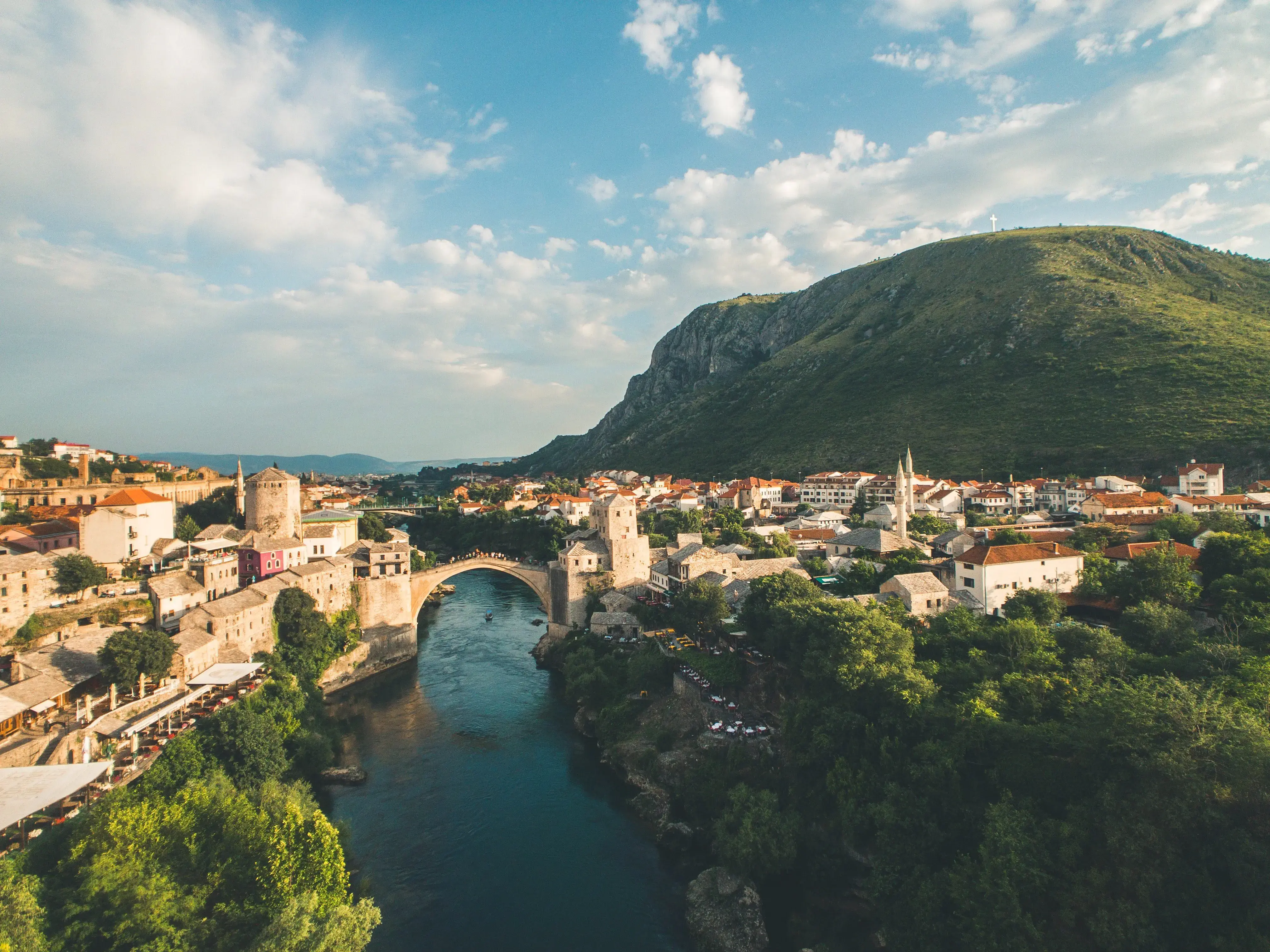
Make sure you are up-to-date with the pre-departure essentials before your trip to the Balkans.
Passport & Visas
Citizens of the UK, USA, New Zealand, Australia, and Canada are not required to have a visa for stays up to 90 days in the following countries in the Balkans: Serbia, Croatia, Montenegro, Bosnia-Herzegovina, Bulgaria, Albania, North Macedonia, Greece. We advise you to check the visa requirements nevertheless, as regulations differ across Balkan countries for different nationalities.
Your passport needs to be valid for at least 6 months from your arrival in many countries in the Balkans. You should carry your passport or travel document with you at all times.
Check with your embassy or your official government website for foreign Balkans travel advice. Bear in mind that the information we provide is for guidance only, and you are advised to check the details as it is your responsibility to have all the official documents ready before traveling.
You can consult the latest travel advice from the UK Foreign, Commonwealth & Development Office. We recommend all travelers to check their Government National Travel Advisory prior to their departure: Australia, Canada, New Zealand, USA
Travel Insurance
You need to have valid and adequate travel insurance before your tour with Travel Talk begins. It is your responsibility to have your insurance ready, but we are more than happy to provide you with guidance in the process. You can visit our travel insurance page for more details. For now, here is some Turkey travel advice that you need to keep in mind when choosing the right plan.
When to Go
High Season
The diverse land of the Balkans experiences all four seasons, with summers pleasingly hot and winters occasionally brutal, especially the inland. The best time to visit the Balkans is from spring to fall, every season offering its own unique appeal. Beginning in June, the most popular destinations in the Balkans, like Croatia and Montenegro, open their doors to flocks of visitors. Summer is a perfect time to travel in comfortably warm weather. Temperatures range between 20 and 30°C, and the coast is clear of rains.
Summer is the high season due to the European holidays, so highlight cities like Dubrovnik and Kotor will be bustling with life. It is also the season of spectacular festivals and cultural occasions. It is guaranteed to have a packed itinerary if you are visiting the Balkans from June to August.
The Shoulder Season
Useful Tips for the Balkans

Money Matters
As the Balkans consists of 12 nations, you will deal with multiple currencies in your Balkans tour. Serbian
Dinar, Bosnia-Herzegovina Mark, Croatian Kuna, Albanian Lek, Macedonian Denar, and Euro (Montenegro,
Greece) are some of them.

The Food Scene
The Balkans is famous for being a treasure trove of different tastes, all carrying a hint of Turkish, Persian, and Greek influences. You will find countless palate-pleasing dishes and appetizers across one of the world’s richest peninsulas.

Solo Travel
Are you traveling alone? You can stay in a single room if your tour has the single supplement option.
You can also be roomed with a solo traveler of the same gender.
Contact your tour leader for assistance regarding room choices.