Romania Travel Advice
Make sure you are up-to-date with the pre-departure essentials before your trip to Romania.
Passport & Visas
Romania is part of the European Union but not included in the Schengen area. If you are traveling from the EU, Australia, New Zealand, UK, USA, and Canada, you do not require a tourist visa for stays up to 90 days in a 6-month period.
Your passport needs to be valid for at least 6 months from your arrival in Romania, and you should carry your passport or travel document with you at all times.
Check with your embassy or your official government website for foreign Romania travel advice. Bear in mind that the information we provide is for guidance only, and you are advised to check the details as it is your responsibility to have all the official documents ready before traveling.
You can consult the latest travel advice from the UK Foreign, Commonwealth & Development Office. We recommend all travelers to check their Government National Travel Advisory prior to their departure: Australia, Canada, New Zealand, USA
Travel Insurance
You need to have valid and adequate travel insurance before your tour with Travel Talk begins. It is your responsibility to have your insurance ready, but we are more than happy to provide you with guidance in the process. You can visit our travel insurance page for more details. For now, here is some Turkey travel advice that you need to keep in mind when choosing the right plan.
When to Go
High Season
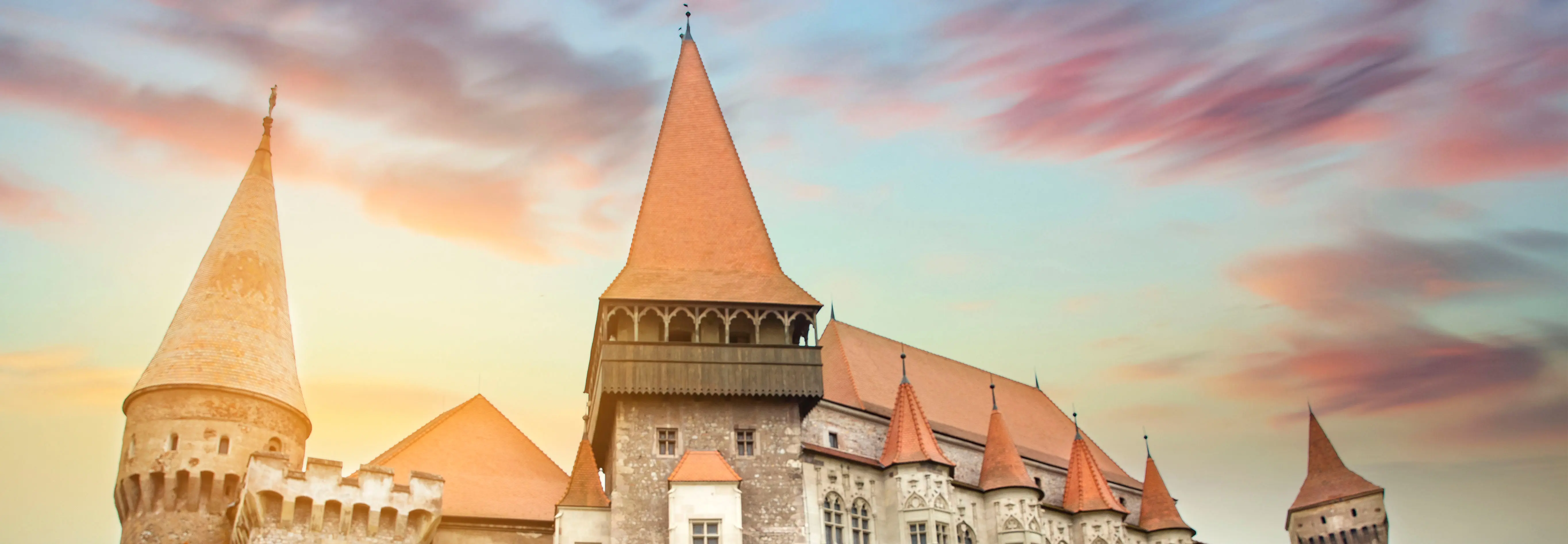
Romania has its share of the continental climate that prevails in most parts of the Balkans. The best time to visit Romania is from April to October when the beautiful countryside warms up enough to make your visits comfortable. In the spring, the blooming forests and alpine prairies of the Carpathians give way to jaw-dropping views. Rains come to a halt starting in April, which means that your photos will be extra dazzling thanks to low humidity. Autumn hosts vistas painted in warm and bright colors of red and orange. The medieval castles in Sinaia and Bran look like they came straight out of a novel in the leaf cast.
Low Season
Useful Tips for Transylvania

Money Matters
The currency in Romania is the Romanian Leu. We recommend that you wait until you go to the city center to change your money. Exchange rates are usually more favorable in the city.
ATMs are available and credit cards are widely accepted, except in some rural areas and small shops.
We recommend carrying cash with you at all times.

The Food Scene
Romanian food is famous for its myriad cooking techniques and flavors from around the Balkans, and its age-old local culinary practices.
Try home-cooked micis and sarmale, two of the most iconic dishes of the Romanian countryside, and have a jar of authentic zacusca to take home with you.
The Balkans is famous for locally-made liqueurs and brandies. Tuica is the aromatic Romanian variety, which is an absolute must to try.

Solo Travel
Are you traveling alone? You can stay in a single room if your tour has the single supplement option.
You can also be roomed with a solo traveler of the same gender.
Feel free to contact your tour leader if you require assistance.