Visiting Egypt During Ramadan – Complete Guide
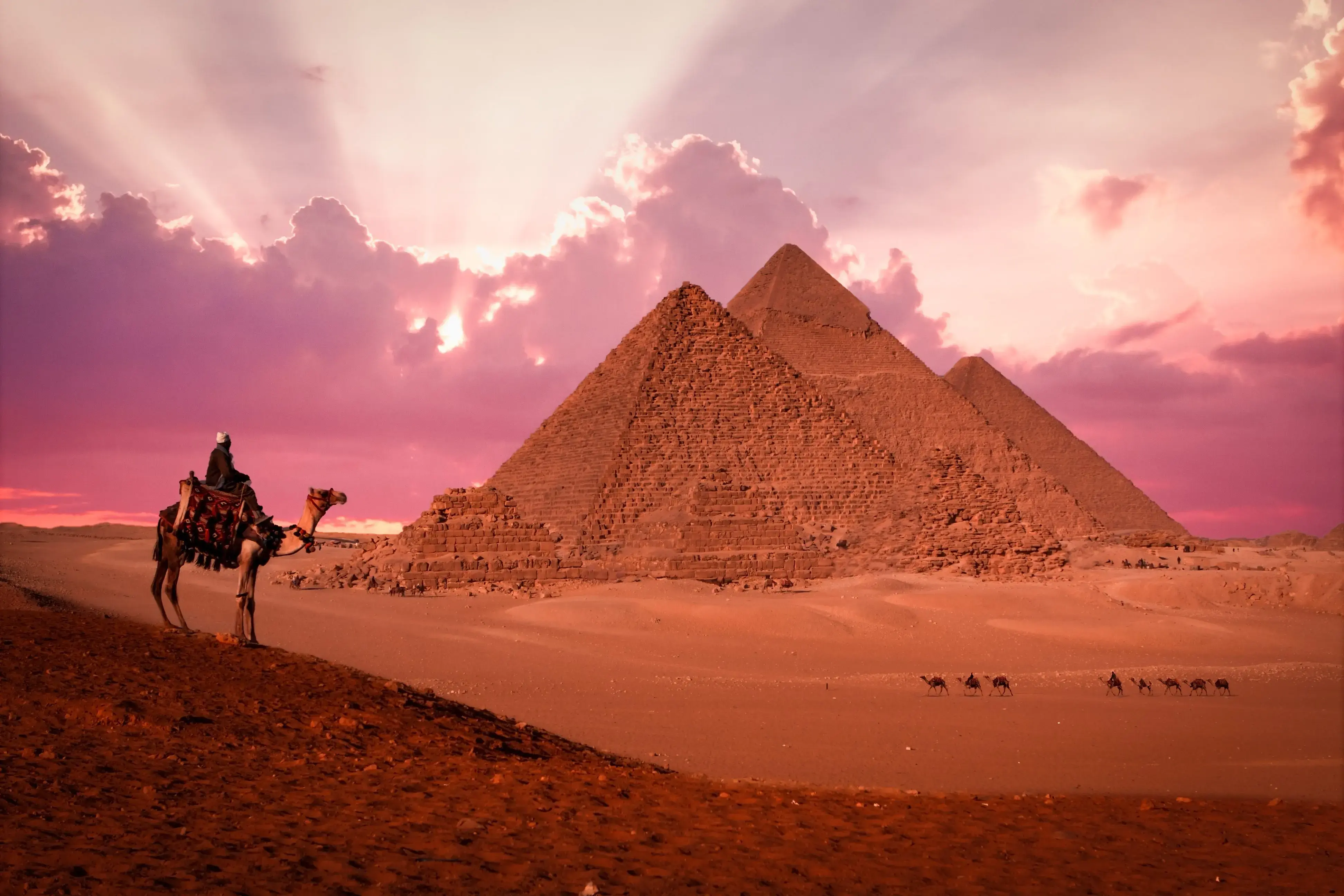
Exploring Egypt during Ramadan offers a captivating fusion of cultural diversity and spiritual exploration. But it’s crucial to ensure you have accurate information before organizing your journey.
Are you wondering “Can I visit Egypt during Ramadan?”? Here is all you need to know.

What is Ramadan?
Ramadan, the ninth month of the Islamic lunar calendar, is observed globally by Muslims as a period of fasting, prayer, introspection, and communal unity. It stands among the Five Pillars of Islam, the foundational practices that define a Muslim’s faith and devotion.
This sacred time, varying annually, prompts heightened spiritual dedication. Muslims engage in additional prayers, Quranic recitations, and charitable deeds such as aiding the needy and providing sustenance to the hungry. Eid al-Fitr signals the culmination of Ramadan. People celebrate with fervent prayers, festive gatherings, and the exchange of gifts. This ritual symbolizes the fulfillment of the month-long fast and the spiritual rejuvenation experienced through fasting and devotion.
Ramadan in Egypt is marked by fasting from dawn until sunset, intensified prayer and reflection, communal gatherings for Iftar, the enjoyment of traditional foods, charitable giving, and strengthened family and social bonds.
Beyond religious observances, Ramadan in Egypt is a time of generosity and compassion, with individuals and organizations distributing food to those in need and hosting communal Iftar gatherings for the community. Families come together to share traditional dishes and enjoy the festive ambiance, strengthening bonds and fostering a sense of unity and solidarity among Egyptians.

What is the atmosphere like during Ramadan in Egypt?
During Ramadan in Egypt, the atmosphere is lively and spirited, characterized by a sense of devotion, community, and celebration. Streets bustle with activity as people rush to mosques for prayers, and families prepare for the evening Iftar meal.
The air is filled with the aroma of traditional foods being cooked, and neighborhoods come alive with the sound of people gathering to break their fast together. There’s a palpable sense of togetherness and goodwill as Egyptians embrace the spirit of charity, generosity, and social solidarity, making Ramadan a deeply enriching and joyous time for all.

Egypt Ramadan Dates 2024
Beginning: Evening of Sunday, March 10, 2024
Last Day: Tuesday, April 9, 2024
Eid al Fitr Holiday (3 days): Wednesday, April 10, 2024 – Friday, April 12, 2024
How Does Ramadan Affect Travelers to Egypt?

Ramadan can significantly impact travelers to Egypt in several ways. However, with these changes in mind, you will have a comfortable time visiting in Egypt during Ramadan.
- Changes in Operating Hours: During Ramadan, there may be adjustments to the operating hours of businesses, tourist sites, and public transportation. Some attractions may have reduced hours or be closed altogether, while restaurants and cafes may have altered schedules for meals. Travelers should plan their itineraries accordingly and check ahead for any changes in operating hours.
- Cultural Sensitivity: Travelers should be mindful of cultural norms and practices during Ramadan. It is a time of fasting and spiritual reflection for Muslims, so it’s essential to be respectful by refraining from eating, drinking, or smoking in public during daylight hours. Additionally, dressing modestly is appreciated out of respect for the religious observance.
- Availability of Services: While some services may be limited during Ramadan, such as public transportation schedules or tour availability, travelers can still find accommodations, restaurants, and activities to enjoy during their visit to Egypt. It’s advisable to book accommodations and tours in advance, especially during peak tourist seasons.
- Special Ramadan Events: Travelers have the opportunity to experience unique cultural events and traditions during Ramadan in Egypt. From vibrant street festivals to nightly Ramadan markets (known as “fawanees”), there are plenty of opportunities to immerse oneself in the local customs and festivities.
- Iftar and Suhoor: Travelers can partake in the communal spirit of Ramadan by joining locals for Iftar meals after sunset or experiencing Suhoor, the pre-dawn meal before the fast begins. Many hotels, restaurants, and mosques offer special Iftar gatherings open to the public, providing an opportunity for cultural exchange and connection with the local community.
Is Egypt Worth Visiting During Ramadan?

The short answer to the question: Yes!
Visiting Egypt during Ramadan can offer a truly unique and enriching experience for travelers. While there may be some adjustments to consider, such as changes in operating hours and cultural sensitivities, the opportunity to witness and participate in Ramadan traditions can be incredibly rewarding.
During Ramadan, Egypt takes on a special atmosphere filled with spirituality, community, and cultural celebrations. Travelers have the chance to experience vibrant street festivals, nightly markets, and the breaking of the fast with locals, providing a deeper understanding of Egyptian culture and traditions. You can even join an Iftar feast as a visitor and witness the local culture at its rawest!
Moreover, many of Egypt’s renowned attractions, such as the pyramids, temples, and museums, remain open to visitors during Ramadan, albeit with potentially adjusted hours. With fewer crowds compared to peak tourist seasons, travelers may also find it easier to explore these sites in a more relaxed atmosphere.
4 False Facts About Ramadan in Egypt (that aren’t actually true)

 False: Ramadan in Egypt is a somber and quiet affair
 True: In reality, Ramadan in Egypt is a vibrant and lively time filled with community gatherings, street celebrations, and bustling markets.
False: Tourist attractions in Egypt are all closed during Ramadan True: While some operating hours may be adjusted, many tourist attractions in Egypt remain open during Ramadan, such as the Pyramids and the Temples of Luxor and Abu Simbel.
False: Egyptian Muslims fast for the entire month without exception True: While fasting from dawn to sunset is a common practice during Ramadan, there are exceptions for individuals such as the elderly, pregnant women, children, and those with health conditions.
False: Egyptians only eat traditional foods during Ramadan True: People also consume a variety of international cuisines, and many restaurants offer special Ramadan menus catering to diverse tastes.
Visiting Egypt During Ramadan Can Be a Wonderful Experience

Cultural Immersion
Ramadan offers a unique opportunity to immerse yourself in Egyptian culture and traditions. From witnessing the vibrant street decorations to participating in communal Iftar meals, you can gain insights into the rich tapestry of Egyptian life during this sacred month. Ramadan brings a host of special events and activities across Egypt. From bustling night markets to cultural performances and religious ceremonies, there’s always something fascinating to explore and enjoy.
Spiritual Atmosphere
The atmosphere during Ramadan is imbued with spirituality, as Muslims engage in fasting, prayer, and reflection. Whether you’re observing the rituals or simply experiencing the palpable sense of devotion around you, it can be a deeply moving experience. Egyptians are known for their hospitality, and during Ramadan, this generosity is often heightened. You may find yourself invited to Iftar gatherings by locals or experiencing firsthand the spirit of giving and charity that permeates the month.
Less Crowded Attractions
While some tourists may avoid traveling during Ramadan, this can actually work in your favor. Attractions are often less crowded, allowing you to explore famous landmarks such as the Pyramids of Giza or the temples of Luxor with more ease and tranquility.

Visiting Egypt During Ramadan – FAQs and Facts
Visiting Egypt during Ramadan can be a fascinating and enriching experience for travelers. It provides an opportunity to witness the country’s deeply-rooted religious and cultural traditions firsthand. During Ramadan, Egypt takes on a unique atmosphere, with vibrant street decorations, bustling night markets, and the aroma of special Ramadan foods filling the air.
During Ramadan in Egypt, some businesses, tourist attractions, and government offices may have adjusted operating hours. For example, shops and restaurants might close during the day and reopen in the late afternoon or evening, while government offices may have shorter working hours.
Yes, the pyramids and other major tourist attractions in Egypt typically remain open during Ramadan. However, their operating hours may be adjusted, and it’s advisable to check the specific schedules closer to your visit.
Yes, many restaurants in Egypt remain open during Ramadan, although their operating hours may be adjusted. While some restaurants may be closed during the day, especially those that serve alcohol, many eateries open in the evening to cater to customers for Iftar (the meal to break the fast) and stay open late into the night.
In Egypt, alcohol consumption is legal for non-Muslims, including tourists, throughout the year, including during Ramadan. However, during Ramadan, establishments that serve alcohol may operate with reduced hours or limit their alcohol service out of respect for the fasting observance of the majority Muslim population.
During Ramadan in Egypt, tourists should avoid eating, drinking, or smoking in public during daylight hours, dress modestly, refrain from loud activities, avoid public displays of affection, and be respectful of religious observances.
Yes, many hotels in Egypt continue to serve food to their guests during Ramadan, including during daylight hours. However, the availability of dining options and the operating hours of hotel restaurants may vary depending on the establishment. Some hotels may offer special Ramadan menus or buffets for Iftar (the meal to break the fast) and Suhoor (the pre-dawn meal).
If you’re thinking about traveling to Egypt during Ramadan, it’s important to respect and observe the local customs and traditions. Explore Egypt Tours offered by Travel Talk and start organizing your journey now!