Best Time To Visit Nepal
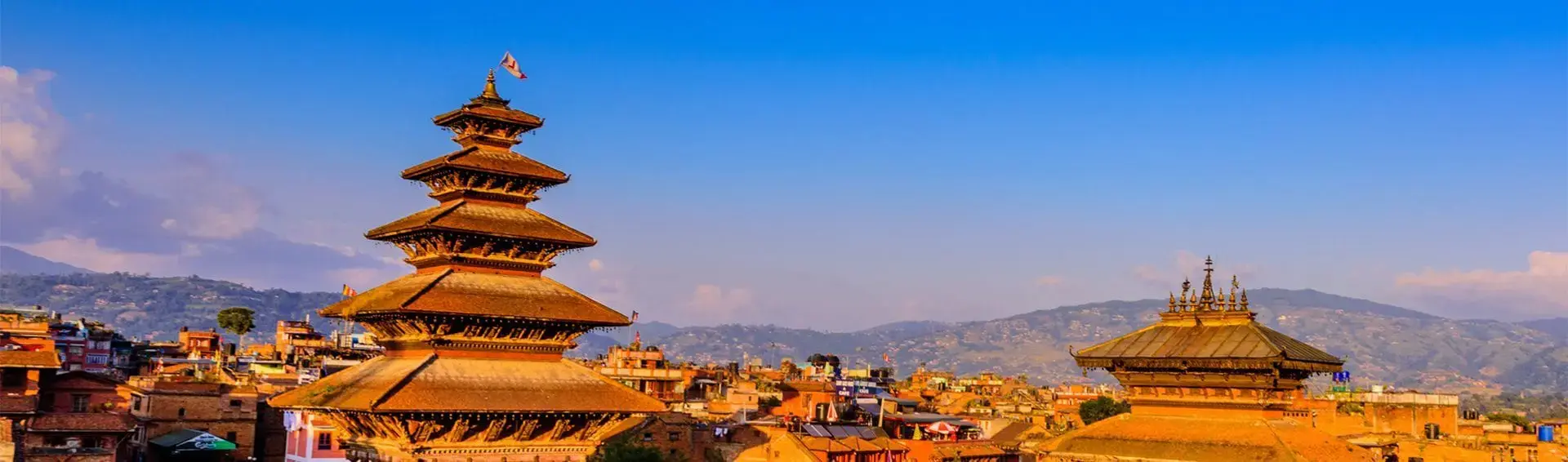
The best time to visit Nepal is from September to November when you can enjoy the most spectacular mountain views as the skies are clear after the monsoon rains. Autumn is a dry season in Nepal, making it the ideal time for trekking in the Himalayas. Sightseeing in the temples and marketplaces of Kathmandu is a delight in the warm weather, and the country hosts a diversity of cultural festivals at this time of year.
Nepal’s Climate and Weather Patterns
Nepal experiences a diverse climate due to its varying topography. The country can be broadly divided into three climatic regions: the Terai plains, the hilly region, and the mountainous region. The Terai plains have a subtropical climate with hot summers and mild winters. The hilly region, where popular destinations like Kathmandu and Pokhara are located, has a temperate climate with mild summers and cold winters. The mountainous region, including the Everest and Annapurna regions, has a harsh alpine climate with extremely cold temperatures and heavy snowfall.
Peak Tourist Seasons in Nepal
Nepal has two peak tourist seasons: spring and autumn. Spring, which lasts from March to May, is considered the best time to visit Nepal for trekking and mountaineering. The weather during this season is generally stable, with warm days and cool nights. The skies are clear, offering stunning views of the mountains.
Autumn, from September to November, is another popular season to visit Nepal. The weather is mild and stable, making it ideal for outdoor activities. Autumn is also the peak season for cultural festivals in Nepal, such as Dashain and Tihar.
Why You Should Visit Nepal: Nepal is a country that offers an unparalleled mix of natural beauty, rich culture, and adventurous activities. Home to the mighty Himalayas, Nepal boasts some of the world’s highest peaks, including Mount Everest.
Things to Consider: It’s important to research the different regions of Nepal. The country is also known for its high altitude regions, so you should take the necessary precautions to avoid altitude sickness, such as acclimatizing slowly and staying well-hydrated.
Monthly Travel Guide For Nepal
Travelling in Nepal between December and February
Daytime temperatures are moderate in popular cities such as Kathmandu and Pokhara, but nights can get cold. In winter, trekking in the Himalayas is not for everyone since the changing weather in high elevations calls for extra attention. If you are prepared to take on the cold, it may be the best time to visit Nepal for ethereal winter landscapes.
You can enjoy breathtaking views of the snow-capped Himalayas.
Temperatures can drop significantly, especially in the higher altitude regions
Travelling in Nepal between March and May
Spring is one of the popular times for trekking in the mountains, as the days are getting longer and the average temperature is around 20°C. Lower altitudes are covered in the iconic rhododendron flowers, but you might find the trails in these regions quite packed. Kathmandu and its temple area are buzzing in May, too, before the monsoon season arrives.
March to early June may not be the best time to visit Nepal if you wish to have the best photography experience. The high temperatures and humidity make the skies turn hazy in springtime.
Travelling in Nepal between June and August
Nepal enters the monsoon season in June, and the country experiences heavy rainfall until early September. In these months, the trekking routes are muddy, the thick clouds block the majestic mountainscape, but lush forests may offer unique natural encounters. Exploring the cities in the early morning is possible as rainfall occurs in the evening hours. However, it is not the best time to visit Nepal to enjoy it to the fullest.
Waiting for the end of the monsoon season is advisable if you wish to have a comfortable trip and experience the country to the fullest since heavy rains may disrupt travel plans.
Travelling in Nepal in September and November
As hot and humid days come to an end in early September, hazy weather leaves its place to clear skies and fresh air. Autumn is the most wonderful season for trips to Nepal, offering the best trekking experience in the Himalayas. The temperatures vary between 20-30°C, making it an ideal time for walking tours in the villages and the cultural attractions of Kathmandu.
Autumn is the high season in Nepal, so the trails and most attractive routes in the Himalayas are more crowded than usual. The center of Kathmandu is also bustling with life, hosting various festivals at this time of year.
When to Visit Nepal

Visit Nepal & India from September to November
September to November offer the best time to experience Asia’s spectacular sunsets, authentic cities, spiritual sites, and fascinating nature. As the hiking season begins after the monsoon rains are over, Nepal is buzzing with life again. The gardens and the banks of the River Ganges in India are blooming, and the clear skies offer the ultimate photographic experience in both countries. Sightseeing in the temples of Kathmandu and Agra, unwinding with a trekking trip in the Himalayas, and exploring the rich wildlife areas in Asia are some of the highlight activities to try from September to November.
It is also the best time to visit Nepal and India for festivals and cultural events. They are hard to miss while sightseeing in the picturesque cities of Kathmandu and Delhi. Our Best of Nepal & India tour combines the must-see attractions in these countries, offering insight into the unique history and nature of South Asia in one trip.
Tips for visiting Nepal and India in the fall :
– As the fall season is a popular time for tourism in both Nepal and India, it’s essential to plan your trip well in advance.
– Pack warm clothes for colder temperatures in the mountains, and light clothing for warmer temperatures in the lower altitudes.
– Get vaccinated if required, use mosquito repellent, and stay hydrated.
– Both Nepal and India are known for their natural beauty, and it’s important to respect the environment while travelling. Avoid single-use plastic, do not litter, and be mindful of your impact on the environment.
– It’s also important to be aware of the local customs and dress appropriately, particularly in more conservative areas.

Trips to Nepal in Autumn
Autumn is the best time for Nepal tours when you can experience the best of its culture and natural wonders. The mountains spring to life during the monsoon season, resulting in excellent flora. Visibility is at its best across the region, and panoramic views are breathtaking for photography. Trekking in the Annapurna is the highlight activity in October and November, as most trails host adventurers from around the world. You can still find some quiet time in the cozy mountain villages of Pothana and Dhampus to experience the local culture.
The fresh weather and long, sunny days provide long hours of sightseeing in the cultural capital Kathmandu. The spiritual sites and marketplaces are busy and colorful from September to November. It is the best time to visit Nepal for cultural and traditional events.
Another must-see attraction in Nepal in these months is the Chitwan National Park. Dry and warm weather allows visitors to explore the grassland habitat and experience fascinating wild animal sightings. Our Essential Nepal tour offers the highlight activities to try in the gorgeous destinations in Nepal from September to November.
Best things to do in Nepal in the fall:
– The fall season is the best time for trekking in Nepal, with clear skies, mild temperatures, and beautiful views of the mountains.
– Nepal has several cultural festivals during the fall season, such as Dashain and Tihar, which are celebrated with music, dance, and feasts. These festivals offer a unique insight into Nepalese culture and traditions.
– Spot rare and endangered species, such as Bengal tigers, one-horned rhinos, and Asian elephants.
– Nepal has a diverse cuisine, with delicious dishes such as momos, dal bhat, and chow mein. You can also try local beverages such as chiya (tea) and raksi (rice wine).
Nepal by Season
Winter
With fewer tourists, you can have a more intimate wildlife experience and spot animals such as tigers, elephants, and rhinos in Chitwan National Park.
Winter is also an excellent time for adventure sports such as paragliding, bungee jumping, and zip-lining. The clear skies and dry air make for excellent conditions for these activities.
Best Things to do in Nepal in winter:
Try some low-altitude valley treks. Attend the Hindu festival of Shivaratri and the Tibetan New Year or Losar.

Spring
Spring is a festive time in Nepal, with several important cultural festivals taking place. The Nepali New Year, Bisket Jatra, and Buddha Jayanti are just a few of the festivals that occur during the spring season.
Popular treks for the spring season in Nepal include the Everest Base Camp Trek, the Annapurna Circuit Trek. Also, Nepal is home to a diverse range of bird species, and spring is an excellent time for bird watching as many migratory birds arrive in Nepal during this time.
Best Things to do in Nepal in spring:
Attend a traditional village fair in Nepal and experience local culture and traditions, try traditional food, and participate in fun activities like traditional games and dances.

Summer
Nepal has a rich tradition of arts and crafts, and in the summer season, many workshops and classes are held to teach visitors how to make traditional handicrafts like pottery, weaving, and wood carving.
You can go on jungle safaris to see rhinos, elephants, tigers, and other animals in their natural habitat.
Best Things to do in Nepal in summer:
Visit a hill station to take in the jaw-dropping views of the Himalayas. Attend festivals like Teej, Janai Purnima, and Gai Jatra.

Autumn
The fall season is a great time to explore the ancient temples, palaces, and monuments in the Kathmandu Valley. You can go on walking tours to discover the rich cultural heritage of the valley and enjoy the beautiful architecture and art.
You can see rare and endangered species in Nepal like the Bengal tiger, one-horned rhinoceros, and red panda in their natural habitats.
Best Things to do in Nepal in autumn:
Dashain and Tihar are the two major festivals in Nepal, and you can celebrate them with great enthusiasm and pomp.

Nepal FAQ
What’s the best time to visit Nepal for budget travellers?
The best time to visit Nepal for budget travelers is during the off-peak season, which is from December to February and from June to August. During this time, there are fewer tourists, and prices for accommodation, transportation, and activities are generally lower.
If you’re a budget traveler and want to visit Nepal during the peak season (September to November and March to May), you can still find affordable options by staying in budget accommodations, using public transportation, and eating at local restaurants.
When is the best time for trekking in Nepal?
The best time for trekking in Nepal is during the dry seasons, which are from September to November and from March to May. During these months, the weather is mild, and the skies are clear, offering stunning views of the Himalayas. The temperature is also comfortable, making it easier to trek long distances.
In addition, the trails are usually dry and stable during these seasons, which makes it easier to navigate and reduces the risk of landslides or other hazards. The peak trekking season in Nepal is from October to November when the weather is at its best, and the views are breathtaking.
When is the best time to visit Chitwan National Park?
The best time to visit Chitwan National Park in Nepal is from October to March, which is the dry season. During this time, the weather is mild and pleasant, with clear skies, and low humidity, making it an ideal time for wildlife spotting and jungle activities. The temperature during the day ranges from 20-30°C, and the nights are cooler.
The dry season is also the best time for birdwatching, as many migratory bird species visit the park during this time. Additionally, the dry season is an excellent time for river safaris, nature walks, and other outdoor activities.
When is the best time to visit Nepal to avoid the crowds?
The best time to visit Nepal to avoid the crowds is during the off-peak season, which is from December to February and from June to August. During these months, there are fewer tourists in Nepal, and you can enjoy a more peaceful and less crowded travel experience.
The peak season for tourism in Nepal is from September to November and from March to May, and during this time, the popular trekking routes, such as the Everest Base Camp Trek and the Annapurna Circuit Trek, can be very crowded, and prices for accommodation and activities are usually higher.
Is it safe to visit Nepal during the monsoon season?
While it is possible to visit Nepal during the monsoon season (June to September), there are certain risks and challenges associated with traveling during this time.
The monsoon season in Nepal brings heavy rainfall and the risk of landslides and flooding, which can make traveling and trekking challenging and even dangerous. Some roads and trekking routes may be closed due to landslides or other hazards, and flights may be delayed or canceled due to bad weather.
Can I visit Nepal in the winter?
Yes, you can visit Nepal in the winter (December to February). While it is the coldest time of year in Nepal, the winter season can still be a great time to visit, particularly if you enjoy winter activities and cultural festivals. In the winter, the skies are usually clear, and the air is crisp and dry, making it an excellent time for mountain views and trekking. Some of the lower altitude treks such as the Ghorepani Poon Hill trek or Langtang valley trek can be enjoyed during winter.
Additionally, the winter season is also the time for some of Nepal’s most vibrant cultural festivals, including the Hindu festival of Shivaratri and the Tibetan New Year or Losar. These festivals offer a unique insight into the rich cultural traditions of Nepal and can be a highlight of your visit.
How many days do you need to visit Nepal?
The number of days you need to visit Nepal depends on your interests, budget, and the places you want to explore. However, to get a comprehensive experience of Nepal, we would recommend spending at least 10-14 days in the country.
What is the coldest month in Nepal?
The coldest month in Nepal is usually January. During this time, temperatures in the higher altitude areas can drop to freezing or below freezing point, while the lowlands and cities experience colder temperatures as well. In Kathmandu, for example, the average temperature during January ranges from a minimum of 2°C (36°F) to a maximum of 18°C (64°F). In the mountainous regions, the temperatures can be even colder.
What are the best cities to visit in Nepal?
Kathmandu is the capital city of Nepal and is known for its rich cultural heritage, ancient temples, and bustling markets. Pokhara is a popular tourist destination and is known for its beautiful lakes, stunning views of the Himalayas, and adventure activities like paragliding and bungee jumping. Patan is also known as Lalitpur and is another ancient city located in the Kathmandu Valley. It is known for its traditional Newari architecture, intricate temples, and historical monuments.
Is it safe to travel to Nepal?
Nepal is generally a safe country to travel to, and the Nepalese people are known for their warmth and hospitality towards visitors. However, like any other country, there are some safety concerns that travelers should be aware of. If you take necessary precautions and use common sense, traveling to Nepal can be a safe and enjoyable experience.
What are the most beautiful places in Nepal?
The highest mountain in the world, Mount Everest, is located in Nepal and is a must-visit for those interested in trekking and mountaineering. Pokhara is a city in central Nepal, known for its beautiful lakes and stunning mountain views. Annapurna Circuit takes you through some of the most beautiful mountain ranges in the world. Chitwan National Park is a UNESCO World Heritage site known for its diverse wildlife and beautiful landscapes.
Does Nepal have nightlife?
Yes, Nepal does have nightlife, especially in the cities like Kathmandu, Pokhara, and Chitwan. In these urban areas, you can find a range of bars, clubs, and restaurants that are open late into the night. However, it’s worth noting that Nepal is a predominantly Hindu country, and many Nepalis don’t drink alcohol or engage in activities associated with nightlife. Additionally, due to the conservative nature of Nepali society, the nightlife scene may be more subdued than in other countries, and it’s important to respect local customs and cultural norms.
Which airlines fly directly into Nepal?
There are several airlines that operate direct flights to Nepal’s Tribhuvan International Airport in Kathmandu. Some of the major airlines that fly directly into Nepal are: Nepal Airlines, Turkish Airlines, Qatar Airways, Emirates, Etihad Airways, Air Arabia, Oman Air, Biman Bangladesh Airlines
What to wear in Nepal?
In general, it is best to dress in layers, so that you can add or remove clothing as needed. This is particularly important if you plan to do any trekking or hiking in the mountains. Nepal is a mountainous country, so comfortable, sturdy footwear is essential, particularly if you plan to trek. It’s also a good idea to pack sandals or other lightweight shoes for warmer weather.
Nepal is a conservative country, so it’s best to dress modestly, particularly if you plan to visit religious sites. Avoid clothing that is too revealing, particularly shorts or sleeveless tops.
What is Nepal famous for?
Nepal is home to eight of the world’s ten highest mountains, including Mount Everest, the tallest peak on Earth. The Himalayas make Nepal a popular destination for trekking and hiking enthusiasts. The Annapurna Circuit and Everest Base Camp are among the most popular treks. Nepal is predominantly Hindu, with significant Buddhist and Muslim populations. The country is home to numerous temples, stupas, and other religious sites, including the famous Pashupatinath Temple in Kathmandu. Nepal is home to a variety of wildlife, including tigers, rhinoceroses, elephants, and several species of monkeys.
What is the best time to eat delicious food in Nepal?
The best time of the year to eat delicious food in Nepal largely depends on your personal preference and the specific dishes you’re interested in trying. That being said, there are a few factors to consider. One factor is the availability of seasonal ingredients. Nepal has a diverse climate, with different regions experiencing different weather patterns. Some ingredients are only available during specific seasons, so if you’re interested in trying dishes made with certain seasonal ingredients, you may want to plan your visit accordingly.
Do you need a visa to visit Nepal?
It is important to check with the Nepalese embassy or consulate in your country or visit the official website of the Department of Immigration in Nepal for the most up-to-date information on visa requirements and procedures.