Sri Lanka Culture
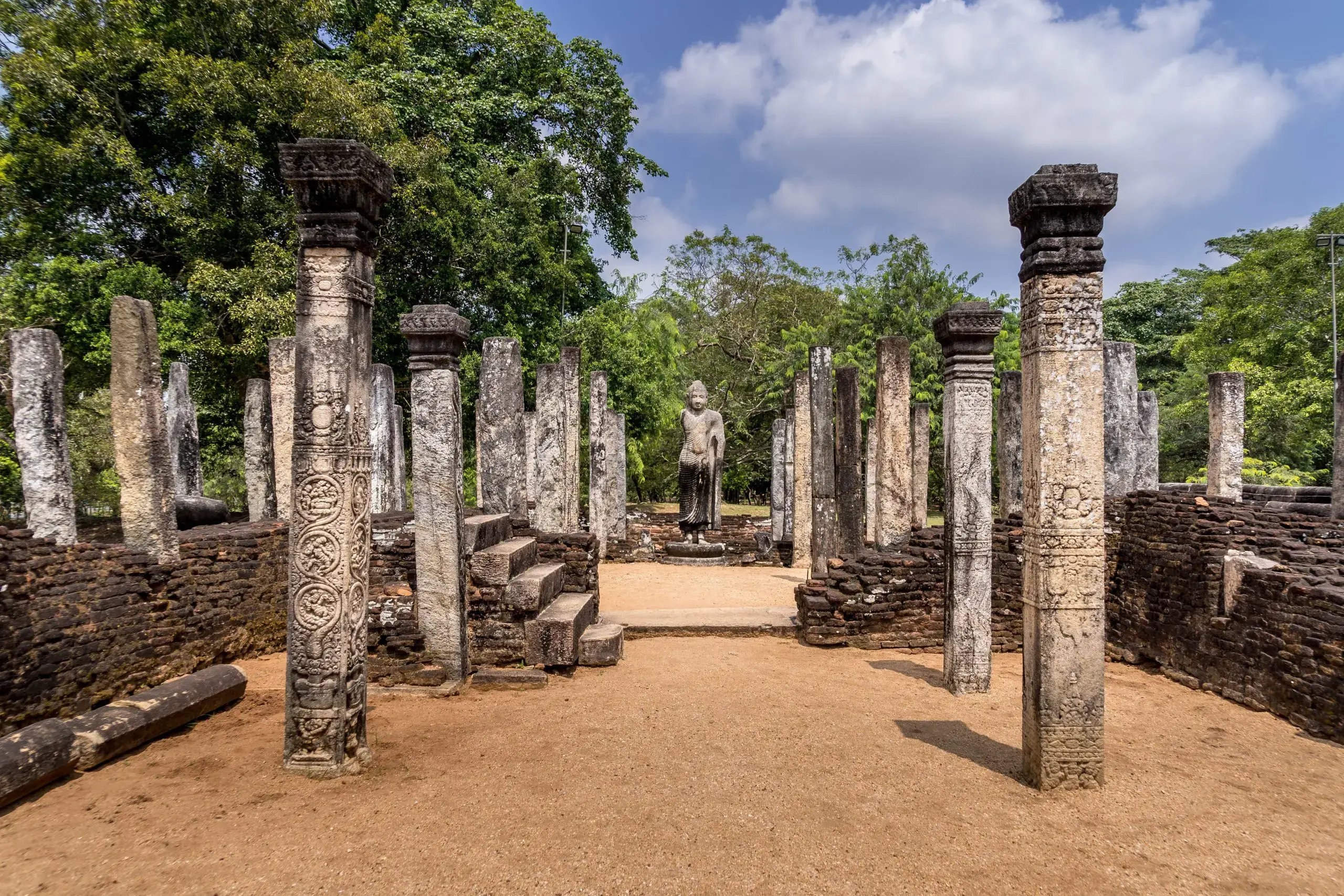
Culture of Sri Lanka
Sri Lanka culture is a captivating blend of ancient customs, religious influences, and modern adaptations. The island’s rich history, shaped by centuries of interaction with traders, colonizers, and travelers, has left an indelible mark on its cultural landscape. Predominantly influenced by Buddhism, which permeates daily life and rituals, Sri Lanka also embraces Hinduism, Islam, and Christianity, creating a harmonious mosaic of traditions and practices.
From the vibrant festivals celebrating religious milestones to the intricate art and dance forms that tell stories of the past, Sri Lanka culture offers a deep and immersive experience for anyone keen to explore it. Whether it’s the rhythmic beats of the Kandyan drums or the meticulous art of mask-making, Sri Lanka traditions offer a fascinating insight into the country’s soul, inviting visitors to partake in its rich cultural heritage.
Eating & Drinking
“Savor the Spice: Dive into the Flavors of Sri Lanka Cuisine!“
Eating and drinking in Sri Lanka is a delightful adventure that immerses you in the island’s vibrant culinary traditions. Sri Lanka cuisine is renowned for its bold flavors, aromatic spices, and the use of fresh, local ingredients. Staples like rice and curry form the backbone of Sri Lankan food, with each region offering its unique variations. Seafood, abundant due to the island’s coastal location, features prominently in many dishes, from spicy crab curries to tangy fish ambul thiyal. Additionally, Sri Lanka street food is a major highlight, with kottu roti, hoppers, and savory snacks like samosas and vadai offering a quick and delicious taste of local life.
Drinking in Sri Lanka is equally diverse and reflective of the island’s rich cultural tapestry. Traditional beverages like Ceylon tea, renowned worldwide for its quality, are a daily staple and an integral part of social gatherings. Sri Lanka cuisine also includes refreshing drinks like fresh coconut water, king coconut, and herbal infusions such as ginger tea, which are popular for their health benefits and unique flavors.
Unique Crafts & Shopping
Shopping in Sri Lanka is a vibrant experience that offers a fascinating glimpse into the island’s rich cultural heritage and artisanal craftsmanship. From bustling markets to elegant boutiques, you’ll find a wide array of goods ranging from colorful textiles and intricate jewelry to aromatic spices and exotic teas. Each region of Sri Lanka has its specialties, making shopping an adventure of discovery. Whether you are in the capital city of Colombo or exploring smaller towns and villages, the local markets are treasure troves of unique finds and handmade items that reflect the diverse cultural influences of the island.
Sri Lanka traditional crafts are a highlight for any shopper, showcasing the skilled artistry passed down through generations. Batik fabric, with its vibrant patterns and colors, is a popular item, as are handwoven textiles and lacework from regions like Dumbara and Galle. Woodcarvings, from delicate masks to intricate furniture, display the island’s rich woodworking tradition. Gemstones, particularly Ceylon sapphires, are another prized purchase, renowned for their exceptional quality. By exploring and purchasing these Sri Lanka traditional crafts, visitors not only take home beautiful and unique souvenirs but also support the local artisans and their timeless traditions.
Religion & Etiquette
Etiquette in Sri Lanka reflects the deep-rooted respect for religious traditions and cultural norms. As a predominantly Buddhist country, respect for monks and religious sites is paramount. Visitors are encouraged to dress modestly when visiting temples and remove shoes and hats before entering sacred spaces. It is also customary to observe silence and avoid pointing feet towards Buddha statues or religious artifacts. While Buddhism holds significant influence, Sri Lanka religions encompass a diverse mix including Hinduism, Islam, and Christianity, each contributing to the country’s cultural fabric.
Festivals & Events
Traditional festivals in Sri Lanka are vibrant celebrations that showcase the island’s deep cultural and religious heritage. One of the most significant is Vesak, commemorating the birth, enlightenment, and death of Lord Buddha. During Vesak, streets and homes are adorned with colorful lanterns, and devotees gather at temples for rituals and offerings. Another notable festival is the Esala Perahera in Kandy, a grand procession featuring beautifully adorned elephants, dancers, and drummers, paying homage to the Sacred Tooth Relic of Buddha. These traditional festivals not only celebrate religious milestones but also unite communities in joyous festivities.
Sri Lanka’s popular events extend beyond religious observances to include cultural and sporting occasions that draw visitors from around the world. The Kandy Esala Perahera is not only a religious festival but also a major cultural spectacle attracting spectators globally. The Galle Literary Festival, held annually, brings together renowned authors and literature enthusiasts for discussions and workshops against the backdrop of Galle’s historic fort. Additionally, sporting events like the Colombo Marathon and surfing competitions along the coast highlight Sri Lanka’s growing reputation as a destination for sports tourism. Whether attending religious ceremonies or cultural gatherings, participating in Sri Lanka’s festivals and events offers a profound insight into the island’s dynamic cultural tapestry.

Sri Lankan Culture – Food Guide
Check out our Sri Lankan Food Guide for the tasty local dishes and drinks you must try.

Sri Lanka Travel Advice
Everything you need to know about traveling to Sri Lanka is in our Sri Lanka Travel Advice guide.
