Egyptian Culture
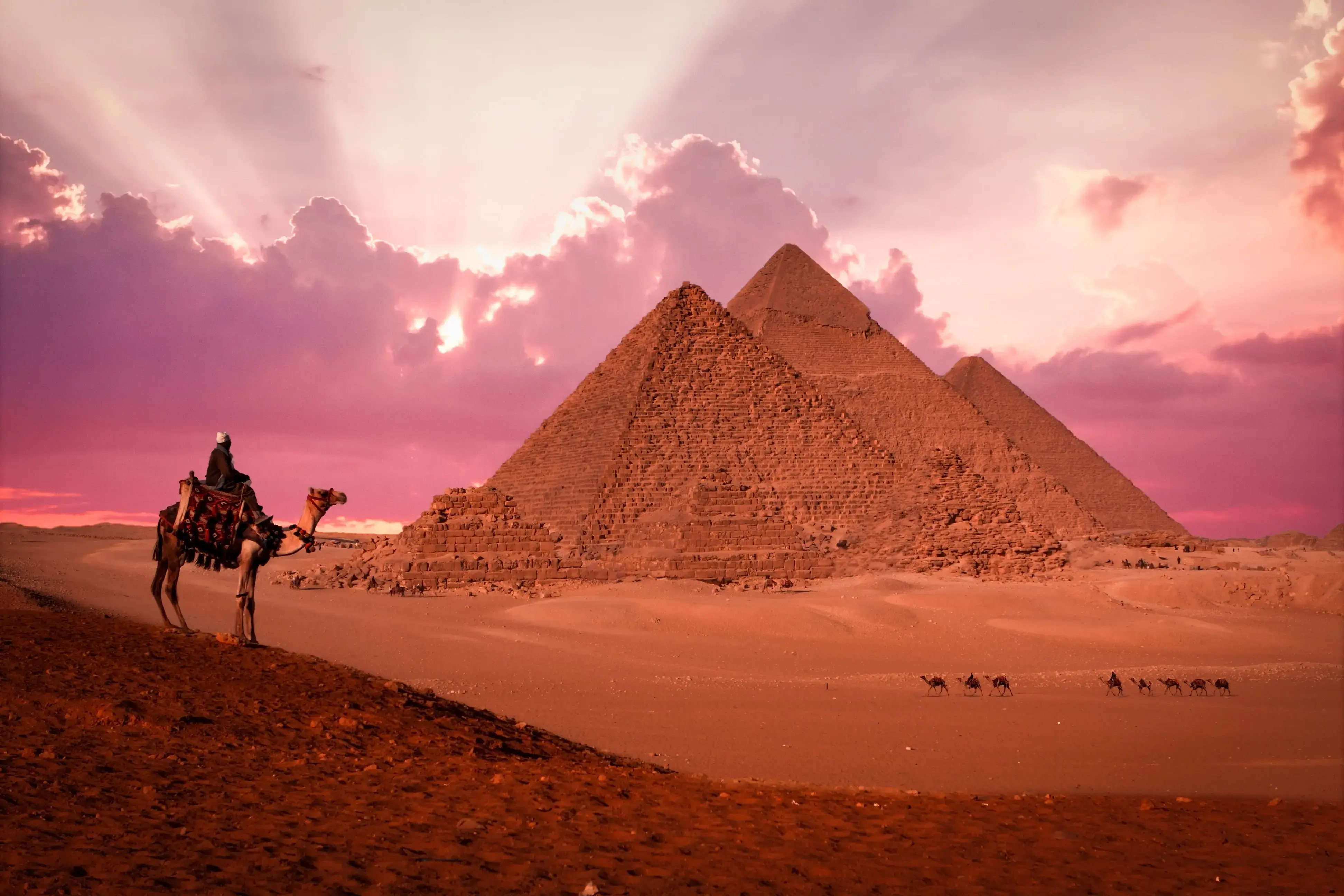
Egyptian Culture
A glorious Pharaonic heritage, the world’s oldest tribes around the legendary Nile, final touches by Islamic and Coptic religion…
The character of Egypt is a delicate embroidery of cultural nuances. The core concepts are family, religious celebrations, and warmth. Help is always here if you ask for it since Egyptians regard hospitality as a high virtue. As for street culture, it is a blend of urban tastes, and practices from the mainland. Ancient Egypt’s mysterious tunes get mixed with western pop in music. A rich gastronomical scene embraces elements from the other side of the Mediterranean as well as the Arabian peninsula. Visual arts are dominantly driven by extraordinary Pharaonic aesthetics. The social scene on the street is dynamic and often chaotic. It is a great chance to practice patience as hustlers approach you from every corner. But overall, the matchless aura of Egypt will get under your skin in no time.
You will find the cornerstones of Egyptian culture hidden in plain sight in the Pyramids, the buzzing souqs of Cairo, and the quaint cities of the River Nile. So buckle up and embark on a journey through Egypt’s cultural expressions.
Eating & Drinking
“A blend of Mediterranean, Nubian, and Ancient Egyptian cuisine—your tastebuds will be overwhelmed by this unique culinary experience.”
Ancient Egyptians mastered the art of vegetables and legumes in basic but tasty food. Many of the contemporary Egyptian food have origins dating back to 5000 years ago. Today, local cooks make their modernist touches to them, turning even the simplest ingredients like fava beans into edible art. For the complete Egyptian food experience, make sure you try everything from street food to restaurants. When in Alexandria or Dahab, go for the exquisite seafood. As for the cities around the Nile, they offer a hearty combination of Nubian, African, and Middle Eastern culinary traditions. Don’t forget to check out our Egyptian food guide for the best dishes to try in Egypt.
Egyptian beer may not be the best in the world, but the country boasts some of the oldest brewery techniques. Saqqara or Stella are good choices to try with their improved taste. After all, it is more about the cultural experience than culinary exploration.
Unique Crafts & Shopping
Bargaining is essential to the shopping culture in Egypt. If you are in a souq, make sure your voice is loud enough and your bargain is strong. More crowded means more reliable—Egyptian vendors have the habit of handling customers with tact. In a plethora of bustling souqs, you will find Egypt’s most delicate handicrafts along with less authentic choices. It is hard to leave once you get your hands on some local incense, strikingly vibrant fabrics, and high-quality glass works. Set at the heart of Cairo, Khan el Khalili Bazaar is the focal point of Egypt’s shopping scene.
Egypt’s souqs are full of intriguing objects appealing to every taste. One of the most popular souvenirs to take home is a scarab, the dung beetle that has become an icon of Egyptian culture and fashion. Also, papyrus scrolls make a perfect present for old souls. Egypt is quite famous when it comes to organic souvenirs, as well. Cotton and spices are at the top of the list of demand.
Takeaway: Shopping in Egypt is all about authenticity and spirit. The objects are ladened with culture, so ask your vendor for some background. Stick with the more traditional choices for memorable tokens to take home.Religion & Etiquette
Islam is the dominant religion in Egypt, with almost 90% of the population identifying as Muslim. The rest mainly consists of Coptic Orthodox Christians. As a traveler, you can make the most of the religious Egyptian culture by observing the fabric of everyday life. Islamic culture manifests itself through the dresses, prayer times, the majestic tunes of Azan, and many more. Also, Egyptians approach religious matters with extreme sensibility. You may find it helpful to practice respect while talking about such concepts when surrounded by locals. Other issues such as public displays of affection also require caution.
It may come with some adjustments to your travel itinerary, but Ramadan is actually one of the best times to visit Egypt. Muslim Egyptians fast from dawn till dusk during this holy month, and delightful celebrations take place all around the country. Just make sure you check the opening hours of the restaurants where you wish to dine.
Festivals & Events
“Witness Egypt’s traditional and contemporary charms unfold in high-spirited festivals all throughout the year.”
Whichever season you are visiting Egypt, there is an awe-inspiring festival and event taking place somewhere. Most of them are religious holidays, essential to Egyptian culture. The entire country breathes life with swirling cultural celebrations during these times. January 7 marks Coptic Christmas. Believers spend the preceding 43 days fasting, so the country crackles with incredible feasts.
On October and February 22, a celebration that has roots in antiquity takes place: the extraordinary Abu Simbel Sun Festival. The statues of the Sun God in the temple’s inner sanctuary are lit with sunlight only on these two days. Traditional Nubian celebrations make it all the more fascinating.
If you are traveling in the Summer, you will have a chance to witness the fresh face of Egyptian culture through a series of arts and music festivals. The Sandbox Music Festival is one of them. The modern parts of Egyptian cities find their mojo reverberating with music and dance.


Egypt Travel Advice
Everything you need to know about traveling to Egypt is in our Egypt Travel Advice guide.
